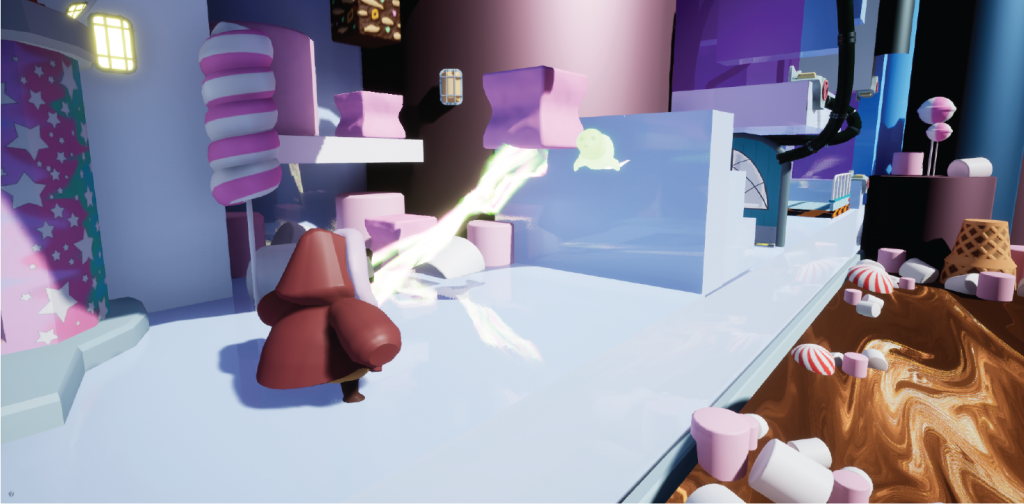
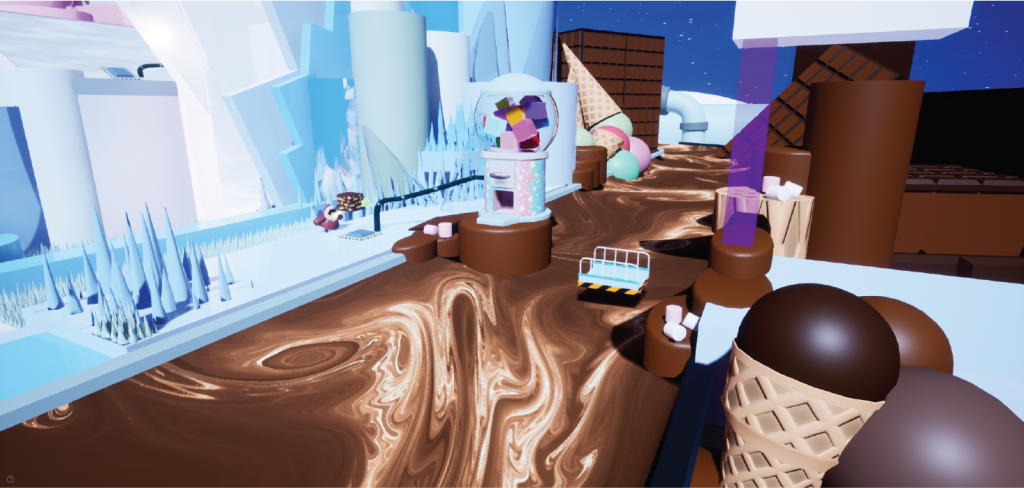
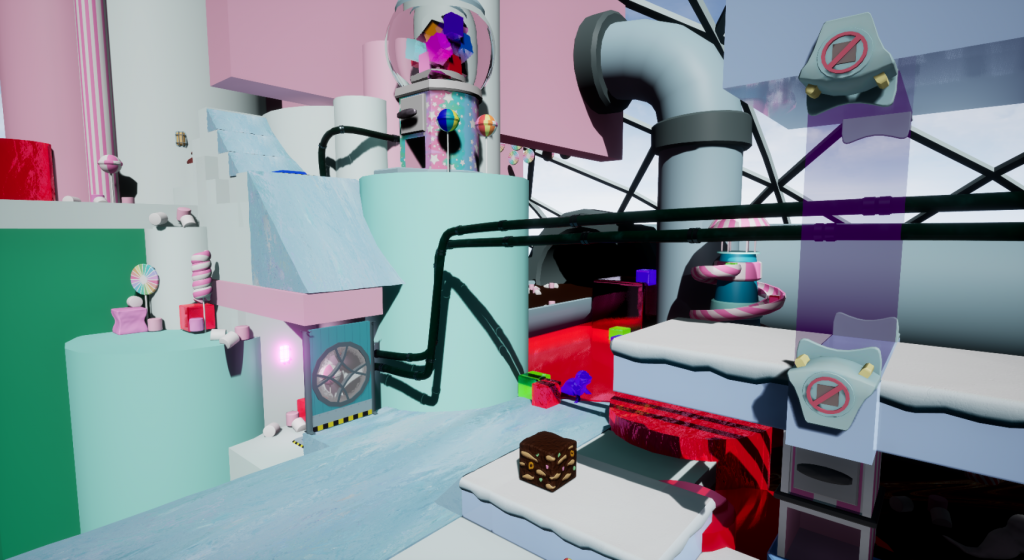
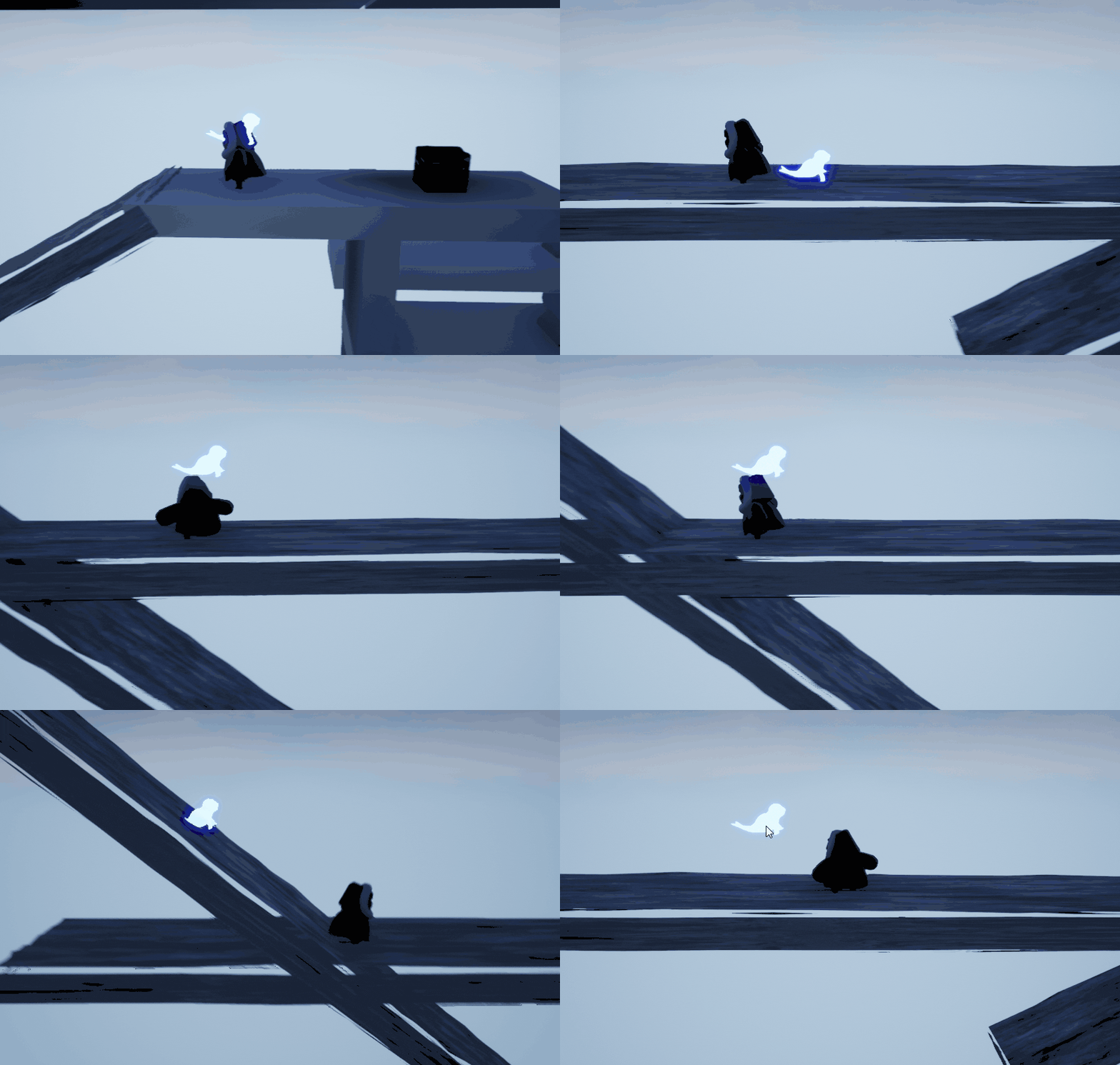
It’s everybody’s dream to be a kid in a candy factory. In cold candy you can make your dreams come true! Release your spirit animal to help solve puzzles and get candy!
Personal Contribution
Blocks
One of the main contributions I made towards the project where 2 different types of blocks that the player could interact with and use to solve puzzles. The normal block and the bouncy block. The normal block was used as a base for the other types of blocks and contained the functionallity of the interactions, so the blocks could be picked up. After that I worked on the bouncy block.
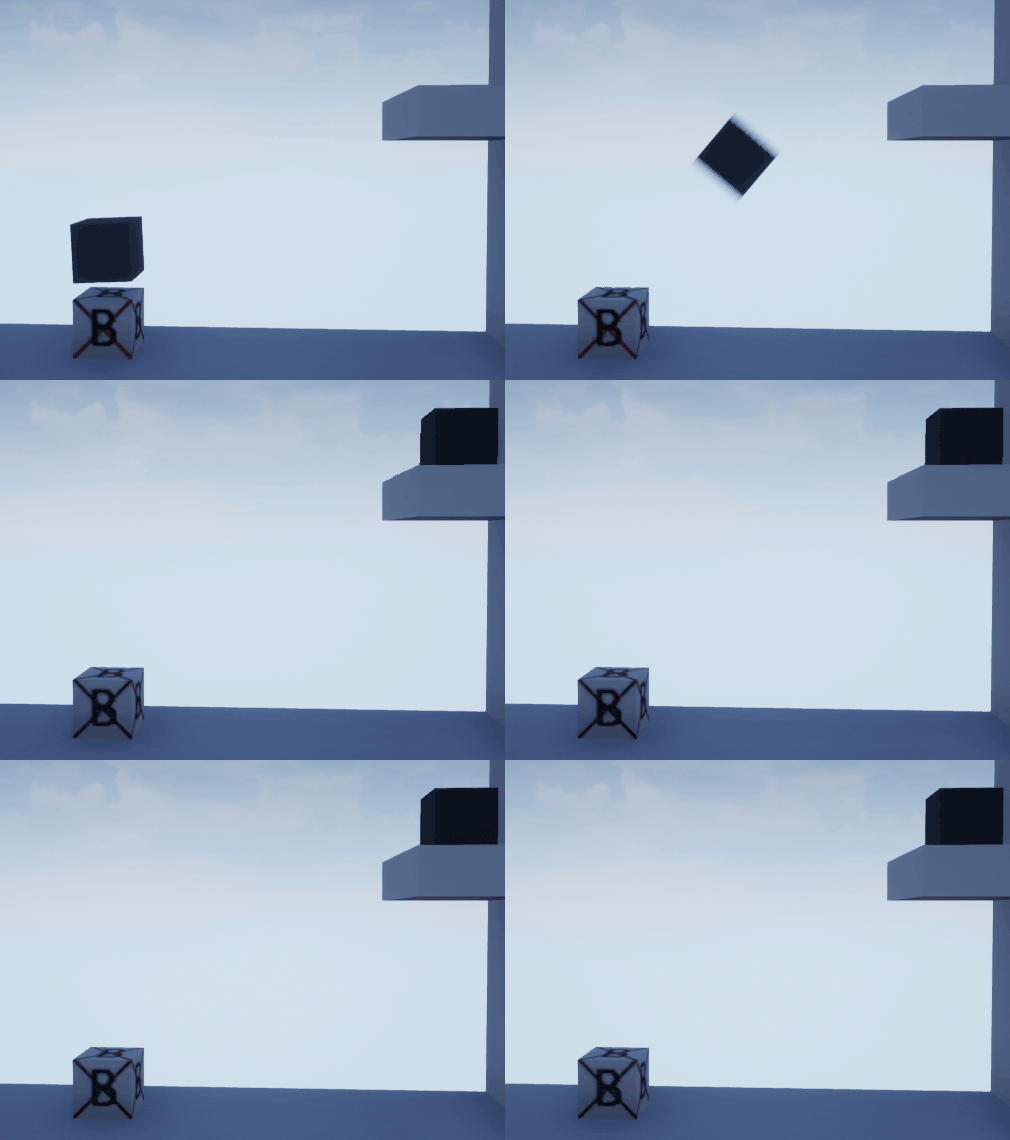
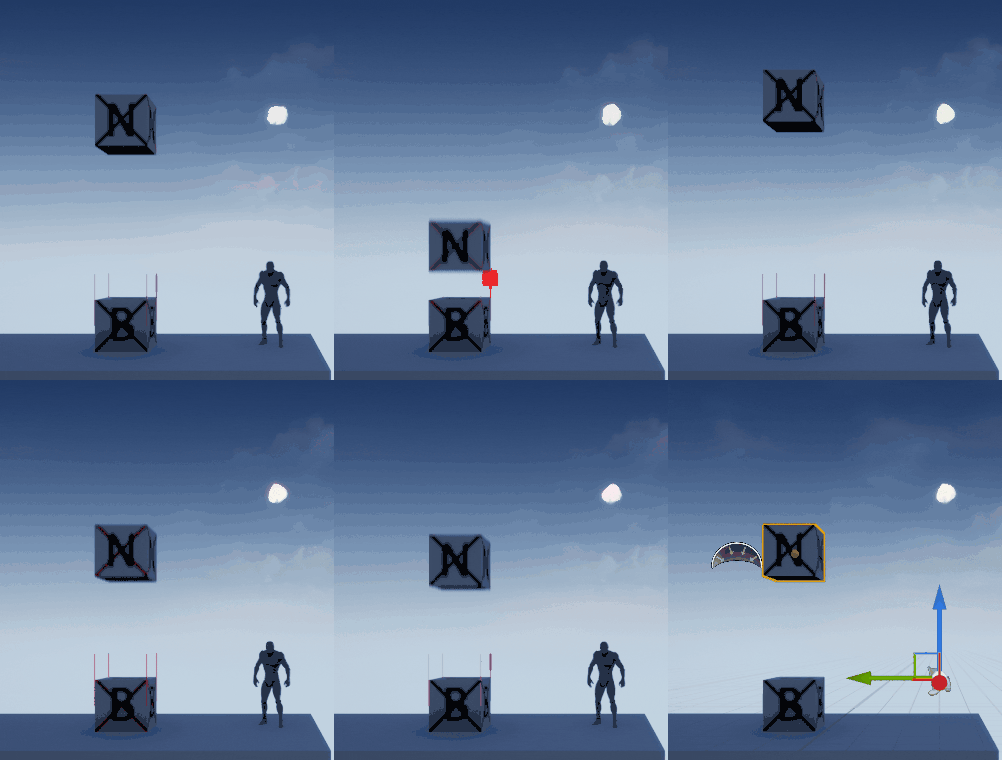
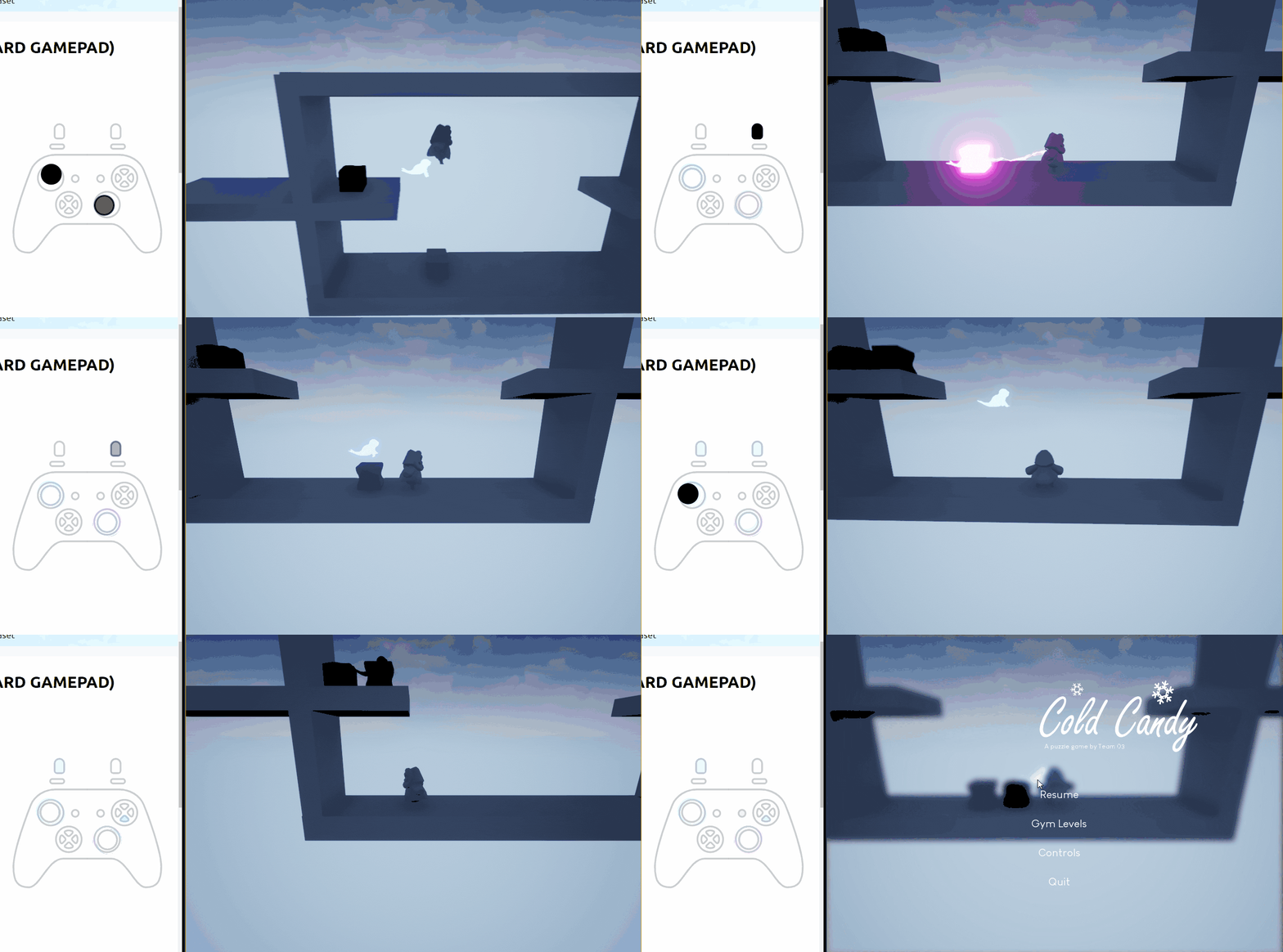
The bouncy block has had 3 different iteration of how it bounces. The first version took inspiration from the Aerial Fathe Plaits from Portal 2, using a spline so designers could controls were the player would bounce towards. This was scrapped, since we wanted the player to bounce upon the object freely, just giving the player a push upwards. To detect the collision I first used line casts to see if the player collided with any of the corners or middle of the cube, but I couldn’t find a way to keep track if the player has entered and left, causing the player to be giving continues force until he stopped colliding with the linecast. After that, I tried to do it using box colliders which ended up being the right solution. From there we experimentated with sidewards collisions (that the player would bounce from the side), but we ended up scrapping it after we did some playtesting in which it only hindered players and wasn’t used.
When the mesh was done for the bouncy block, the artist was asking for help to animate the cube, so I added the animation by manipulating the morph target of the cube in code to animate the cube.
First iteration of the bouncy block using a spline to control the direction in which the object will go, using the aerial faith plate from Portal 2 as a referenceSecond iteration of the bouncy block in which the bounce is now done through applying force upon a object. The detection in this system is done through linecast.Final version of the bouncy block. The player is detected through a collider, after which the player will be given force and the bounce animation plays
Aroura Borealis Beam
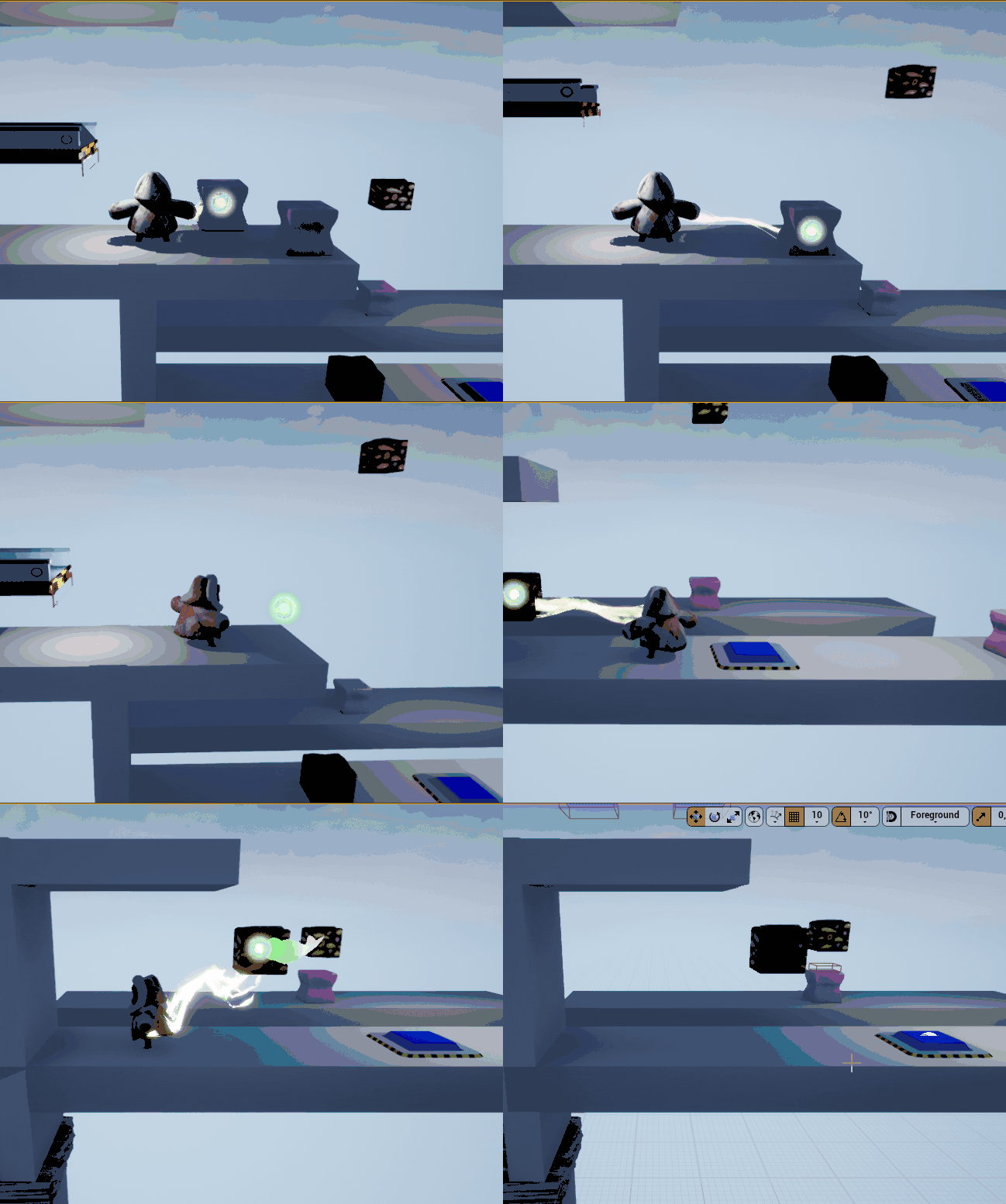
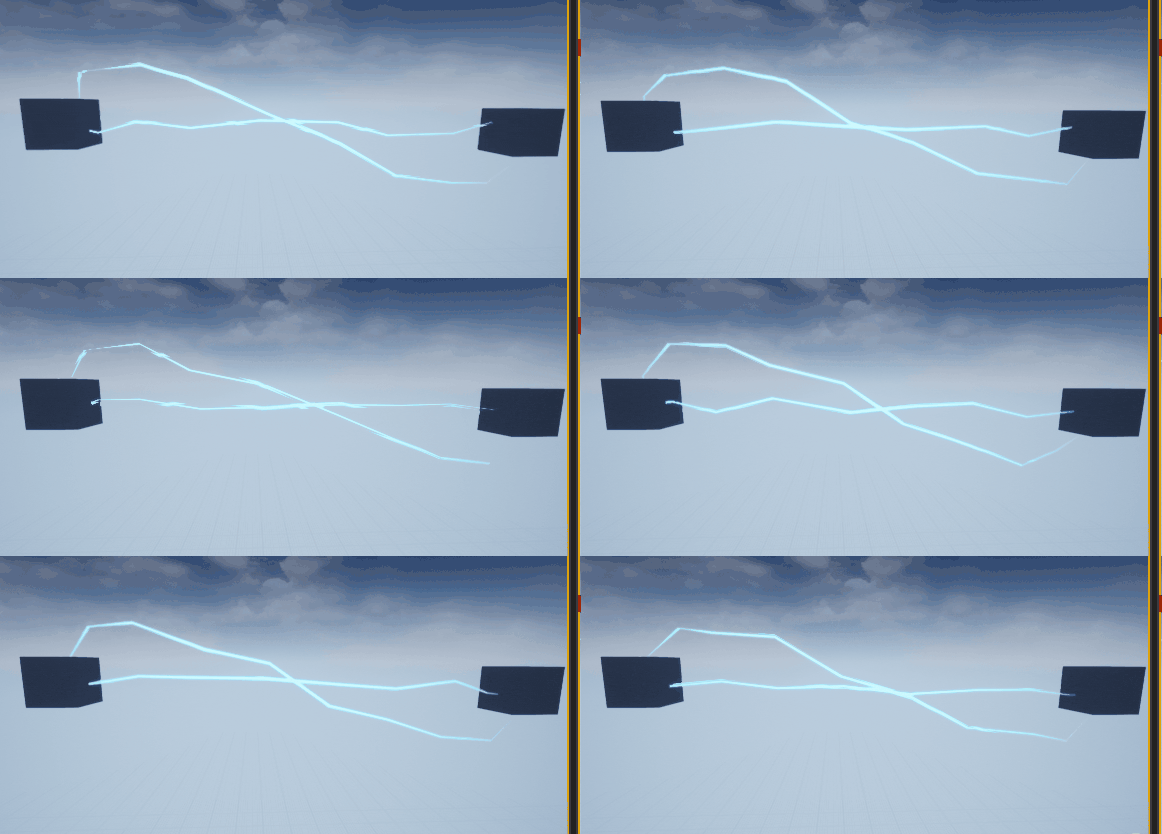
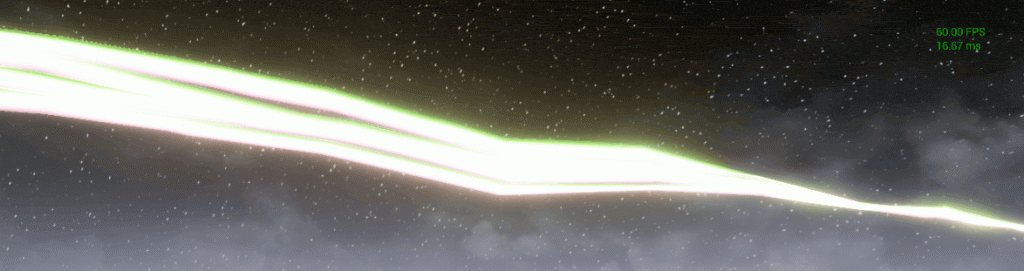
First iteration of the interaction beam. This was just lighting done fully through the niagara particly system.This was the second iteration. This used the niagara particle system combined with a shader I made with the help of a tutorial. We wanted to combine this with the lighting effect to create a beam that connects the player with the spirit animal.This is the final iteration of the beam. This was attached to the player, and the beam is then changed in size depending on how far the spirit animal is from the actual player